Art

Judith Leyster

Date
Language
No linguistic content
Rights
Public domain · Photographic reproductions of public-domain works, marked public domain on Wikimedia Commons.

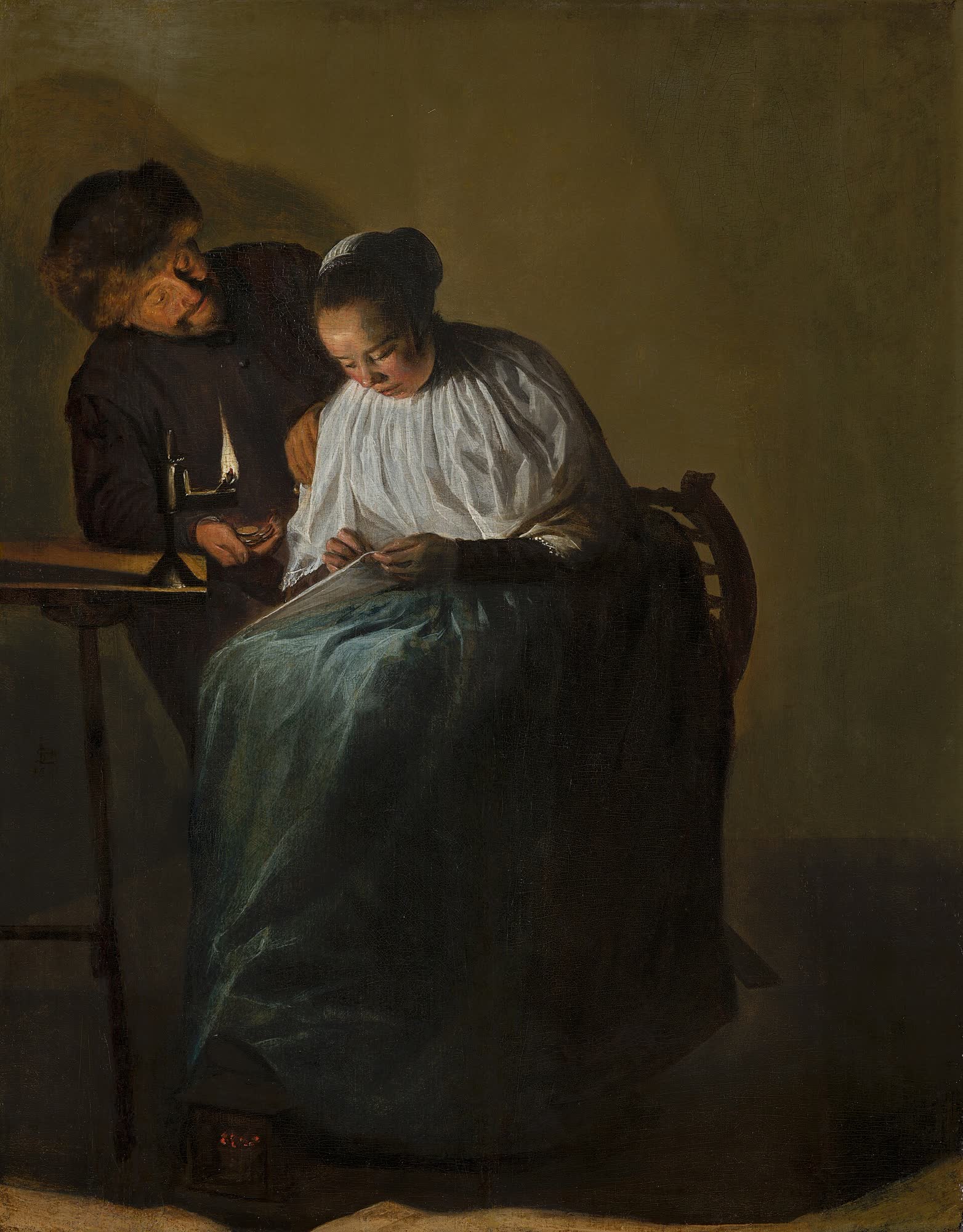
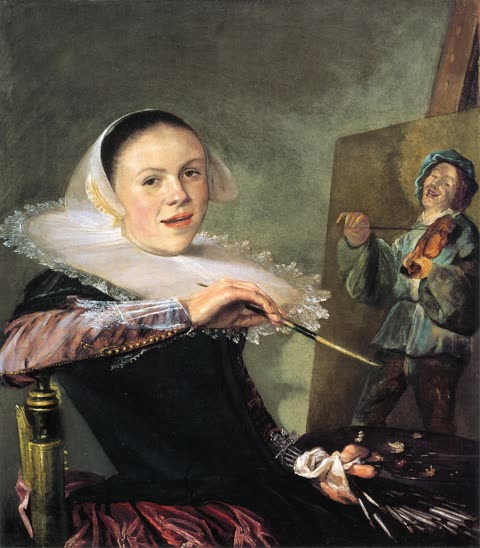
Judith Leyster, a brewer's daughter from Haarlem, was admitted to the city's Guild of St Luke in 1633, one of very few women members, and ran her own workshop with pupils. Her lively genre scenes of musicians, drinkers and children, and her confident self-portrait, were long attributed to Frans Hals until her monogram, a star beside her initials, was recognised in the 1890s. The Proposition, in which a man offers coins to a woman sewing by lamplight, stands out among Dutch scenes of the kind for its sympathy with the woman.
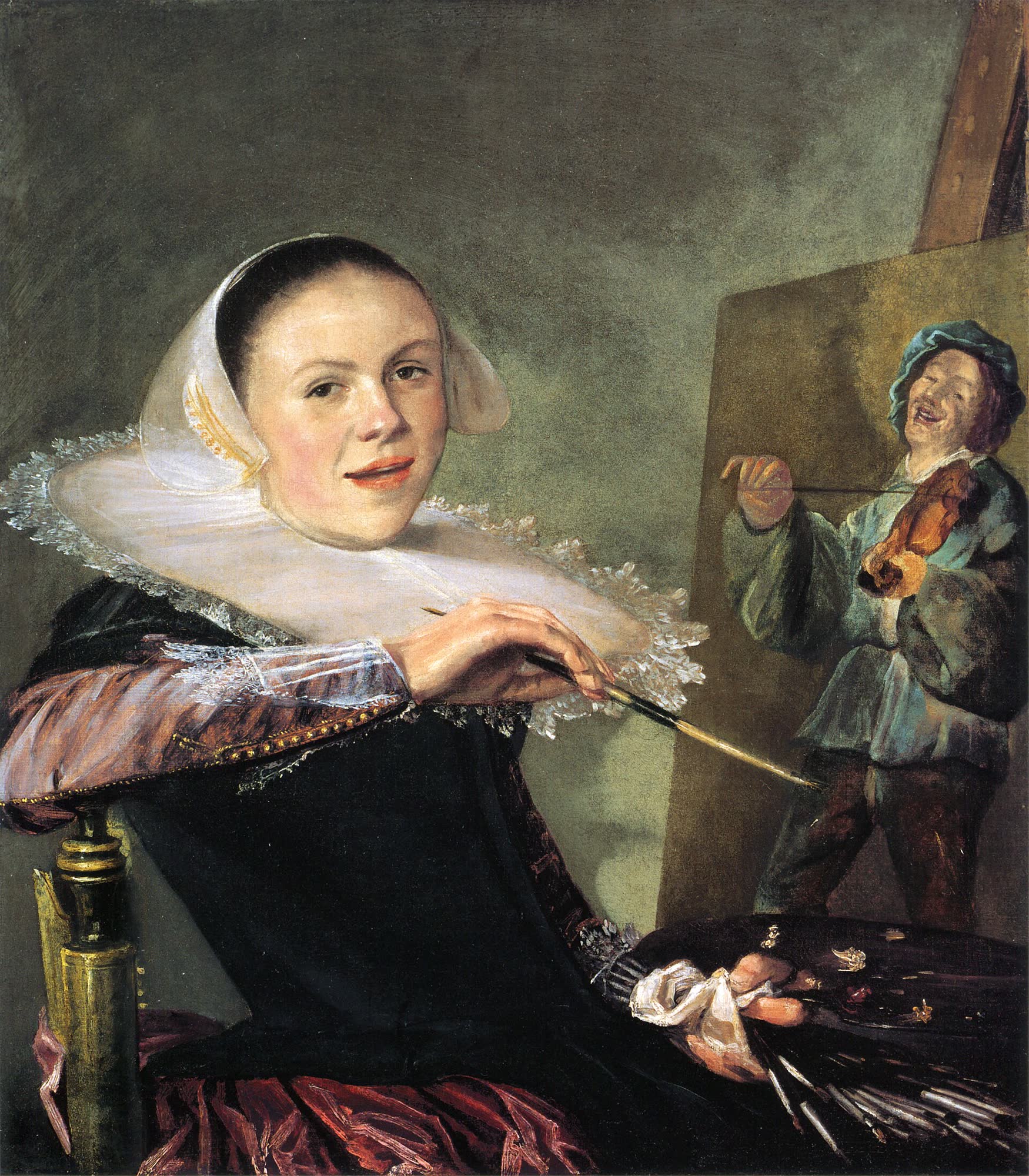
Self-Portrait (c. 1630)
Self-Portrait (c. 1630) Judith Leyster, Self-Portrait, c. 1630. National Gallery of Art, Washington. Wikimedia Commons source
The Proposition (1631)
The Proposition (1631) Judith Leyster, The Proposition, 1631. Mauritshuis, The Hague. Wikimedia Commons source
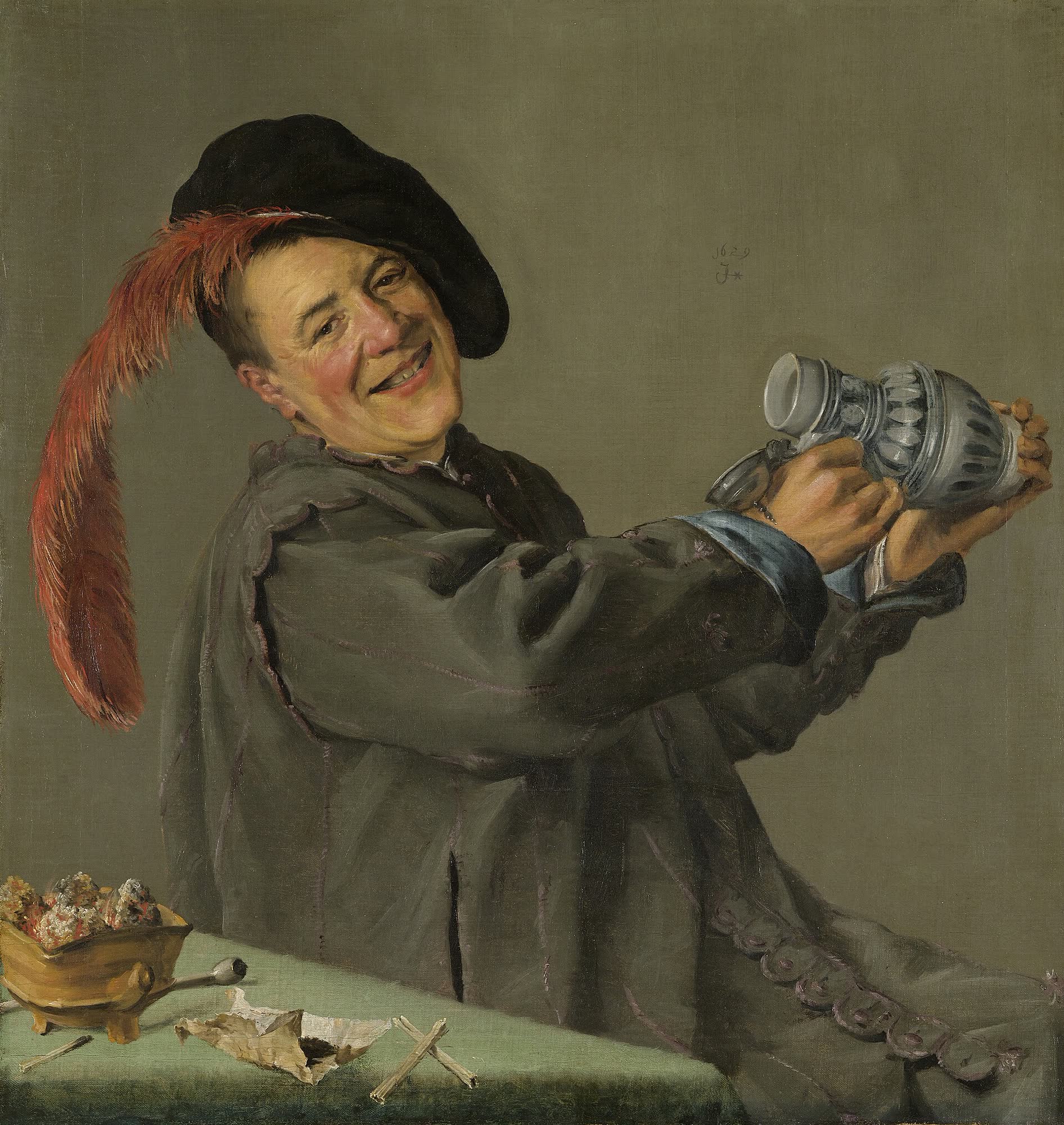
The Jolly Toper (1629)
The Jolly Toper (1629) Judith Leyster, The Jolly Toper, 1629. Rijksmuseum, Amsterdam. Wikimedia Commons source
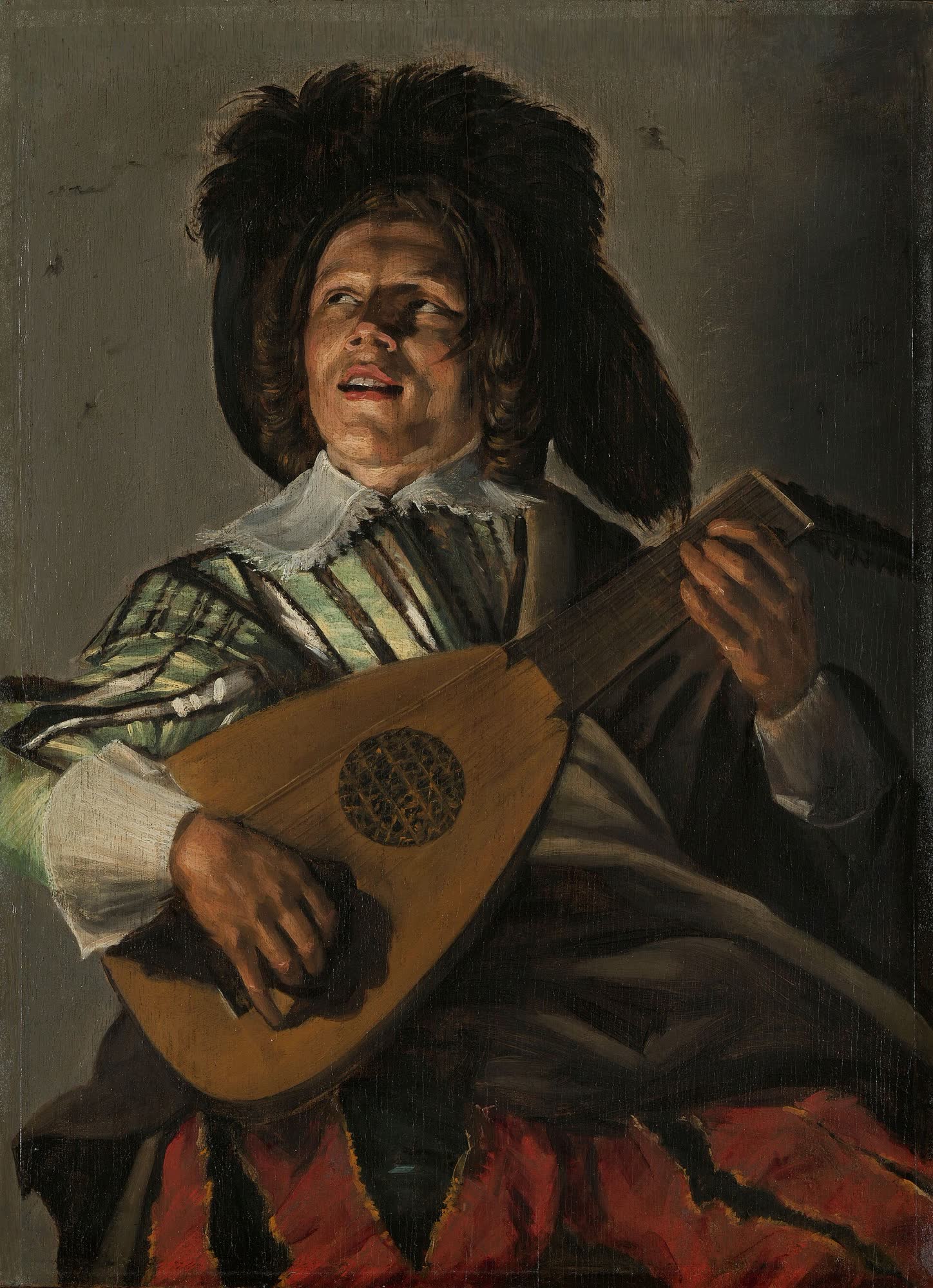
The Serenade (1629)
The Serenade (1629) Judith Leyster, The Serenade, 1629. Rijksmuseum, Amsterdam. Wikimedia Commons source
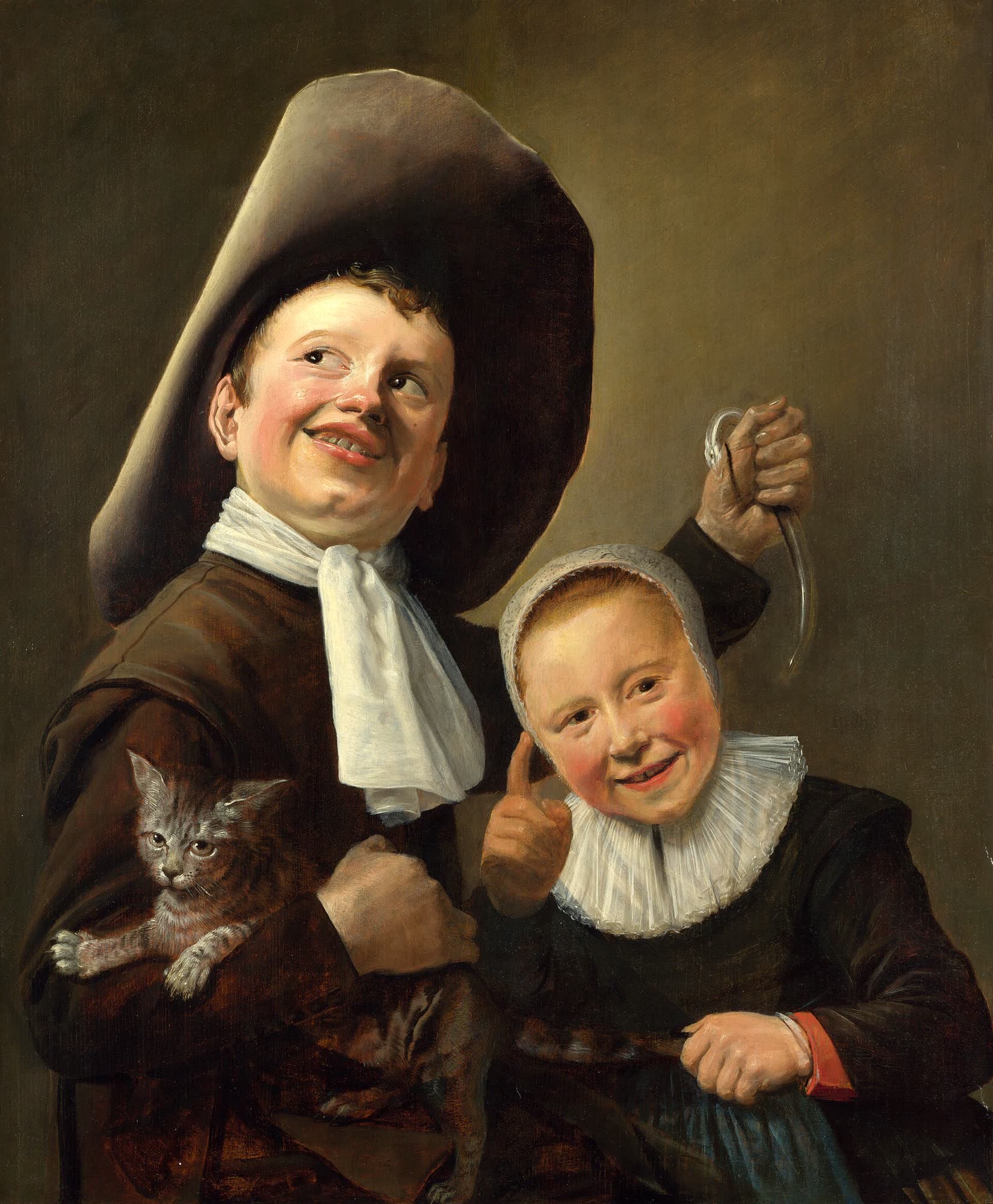
A Boy and a Girl with a Cat and an Eel (c. 1635)
A Boy and a Girl with a Cat and an Eel (c. 1635) Judith Leyster, A Boy and a Girl with a Cat and an Eel, c. 1635. National Gallery, London. Wikimedia Commons source

Subjects

Cite this

Leyster, Judith. Judith Leyster. c. 1629–1635. The Trove. https://adagraves.com/trove/judith-leyster/.

Sources

Open formats

JSON